Dubai Creek Metro Station: A Key to Urban Growth
Intro
The Dubai Creek Metro Station stands as a significant landmark in the ever-evolving urban landscape of Dubai. As a core part of the city’s mass transit system, it helps facilitate seamless movement for residents and tourists alike. However, its impact goes beyond just providing a mode of transportation; it shapes the cultural and economic fabric of the neighborhoods surrounding it. As engineers and planners continuously refine the city's infrastructure, understanding the role of such pivotal stations is crucial for those interested in the real estate market and urban development.
Today, we will delve deep into the nuances of the Dubai Creek Metro Station. This exploration highlights its architectural beauty, historical background, and pivotal role in the current market dynamics. We will also touch on how it impacts property trends and investment opportunities in Dubai’s constantly shifting real estate landscape.
Property Trends in Dubai
Current Market Dynamics
Dubai's real estate market is characterized by its rapid growth and constant fluctuations. In particular, the areas surrounding major transit stations like Dubai Creek have witnessed a surge in interest from both local and international investors. Properties near metro stations can often command higher prices compared to those farther away, as connectivity is a prime consideration for many homebuyers.
Moreover, as the city pushes for a more sustainable urban environment, there is a significant emphasis on developing multi-use complexes that blend residential, retail, and commercial spaces. This trend caters to a demographic that values convenience, making locations around the metro increasingly desirable.
Emerging Neighborhoods and Areas of Interest
Within a stone's throw of Dubai Creek Metro Station, various neighborhoods have started to bloom. Some of the areas showing great potential include:
- Bur Dubai: The historic heart of Dubai, attracting those seeking a mix of traditional culture and modern amenities.
- Dubai Design District (d3): Known for its art hubs and creative spaces, this area is gaining traction among younger professionals and artists.
- Business Bay: A growing hotspot for corporates and taxpayers alike, offering a blend of modern skyscrapers and luxurious living.
These areas not only boast proximity to the metro but also offer rich social ecosystems.
"The proximity to a metro station is often a game changer in property investment decisions, tipping the scales for buyers and businesses alike."
Investment Insights
Key Factors Influencing Real Estate Investments
For investors eyeing Dubai’s real estate market, several factors warrant consideration:
- Metro Connectivity: Proximity to metro stations can enhance property values, thanks to increased accessibility.
- Regulatory Framework: The laws pertaining to foreign ownership and investment opportunities are crucial in making informed decisions.
- Market Trends: Keeping an eye on the economic indicators and property demand trends can save investors from costly mistakes.
Tips for First-Time Investors
If you’re new to real estate investment, especially in a burgeoning market like Dubai’s, here are some tailored tips:
- Research Extensively: Dig into local market reports and trends to understand where to stake your claim.
- Engage Local Experts: Connect with real estate agents and financial advisors familiar with the Dubai market; they can provide invaluable insights.
- Consider Long-Term Potential: Look beyond just immediate returns. The overarching growth potential of the area can yield lucrative returns in the future.
In summary, the Dubai Creek Metro Station serves not just as a transit point but as a catalyst for broader urban development. Its impact on property values, coupled with the dynamic market trends in the surrounding neighborhoods, brings opportunities that are ripe for exploration. As we move forward, the insights gathered here may well shape the decisions of investors and homebuyers looking to navigate the bustling real estate landscape in Dubai.
Preamble to Dubai Creek Metro Station
Dubai Creek Metro Station is not just another stop on the expansive metro network of Dubai; it represents a pivotal intersection of urban mobility, planning, and futuristic development. With its strategic location, this station significantly enhances accessibility for commuters and serves as a fundamental node in the city’s vision for modern transport solutions.
Overview and Importance
To fully grasp the importance of Dubai Creek Metro Station, one must first consider its role in facilitating the daily movements of thousands of residents and visitors alike. The station connects multiple neighborhoods, business districts, and leisure areas, effectively bridging gaps between disparate zones in a rapidly growing metropolis. It embodies the spirit of Dubai’s ambitions to create an integrated transport system that is not only efficient but also user-friendly.
The influx of people utilizing this station supports local economies, boosts tourism, and provides numerous public transport options. Every day, it ferries a diverse crowd—from working professionals to tourists armed with cameras, exploring the hues of the city.
"Transportation is the bloodstream of a city, and Dubai Creek Metro Station is a major artery, circulating productivity and connectivity."
Besides its functional aspect, the metaphorical weight carried by Dubai Creek Metro Station extends into the architectural realm as well. The station is designed to reflect not just aesthetic elegance but also operational functionality, reinforcing Dubai's stance as a hub of innovation. Its modern features and thought-provoking design speak volumes about the city's dedication to progress and sustainability.

Connection to Urban Planning
The interconnection of transportation and urban development is a fascinating yet complex relationship. With the establishment of Dubai Creek Metro Station, urban planners have strategically placed it to catalyze other developments in its vicinity. This station is more than a transit point; it’s a cornerstone for new real estate projects and commercial opportunities.
The infusion of public transport infrastructure can lead to increased property values, higher demand for businesses, and a vibrant community atmosphere. Surrounding areas are seeing new residential complexes, parks, and commercial establishments sprout up, transforming the landscape into a dynamic hub for living and working. It’s a clear signal that urban planning is being approached with a focus on interconnectivity and accessibility—vital components for a successful metropolitan area.
Notably, there are discussions among stakeholders regarding the integration of other modes of transport, such as electric busses or bike-sharing systems, complementing the metro service to create a comprehensive transport experience for users. The foresight evident in this integration demonstrates a commitment to reducing congestion, improving air quality, and enhancing the urban living experience.
In summary, the significance of Dubai Creek Metro Station transcends mere commuting ease; it stands at the heart of Dubai’s urban renaissance, illustrating how public transport can shape cities, promote sustainable growth, and spur economic development.
Architectural Features
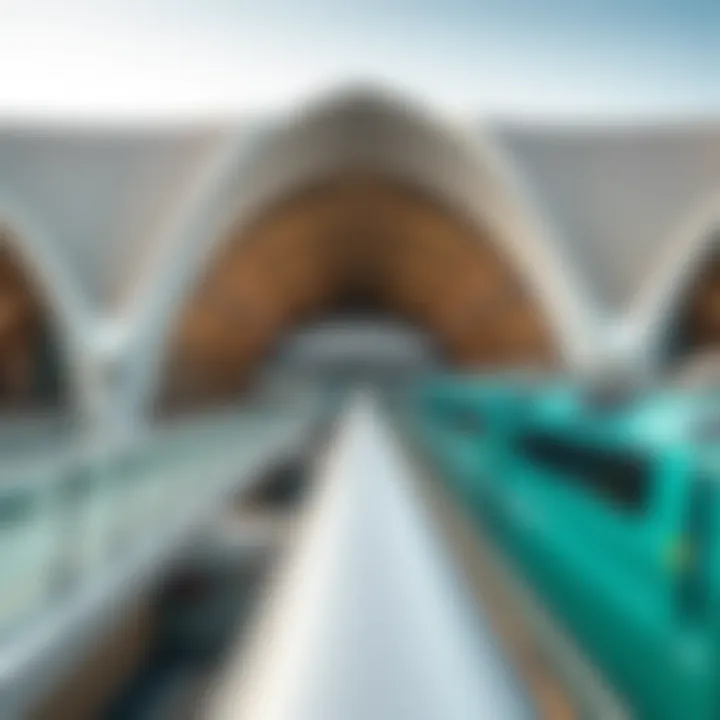
The architectural elements of Dubai Creek Metro Station are not just about aesthetics; they represent a blend of functionality and modern design principles essential for a bustling transit hub. They play a crucial role in how efficiently and effectively commuters navigate the station and, in turn, influence the urban landscape surrounding it. The design approach at this station consciously integrates beauty with practicality, ensuring that it meets contemporary transportation needs while also contributing to the area's visual identity.
Design Philosophy
At the heart of the station's design philosophy is a commitment to reflect the dynamic spirit of Dubai. This ethos is captured in the sleek, modern lines of the building, which evoke a sense of forward-thinking innovation. The structure embraces natural light through extensive use of glass and open spaces, creating a welcoming ambiance that contrasts with the typical confines of a crowded metro station.
Moreover, the design seamlessly aligns with Dubai's broader urban vision. It aims to provide not just a transit point but also a community space that fosters social interaction. Large public areas invite foot traffic, encouraging people to pause and engage with their environment rather than merely passing through. This intention helps cultivate a sense of place, which is crucial in a city like Dubai where transience is common.
Materials and Sustainability
In an age where urban development must account for environmental impacts, Dubai Creek Metro Station sets an example with its choice of materials and sustainable features. The use of recycled materials in its construction reduces the ecological footprint. Innovative insulation technologies have also been implemented, which help maintain comfortable temperatures while minimizing energy use.
Concrete, steel, and glass are predominant materials, but it's the thoughtful application of these that truly matters. These materials not only enhance durability but also contribute to a streamlined, modern aesthetic. Incorporating solar panels on the roof has been considered as well, emphasizing the station’s commitment to sustainable energy practices. Such features do not just add to the visual appeal; they also serve as a model for future infrastructure developments across Dubai and beyond.
Interior Layout and Amenities
Inside, the layout is meticulously crafted to ensure smooth movement and accessibility for all users, including those with mobility challenges. The open concept allows for efficient flow, reducing congestion during peak hours. Multiple entrances and exits facilitate easy access to different areas, thus optimizing the commuter experience.
Amenities such as charging stations, digital information boards, and comfortable waiting areas enhance convenience for travelers. The incorporation of retail spaces and food outlets offers quick services for commuters on the go.
In essence, the interior design of Dubai Creek Metro Station promotes a user-friendly atmosphere, encouraging people to make this hub part of their daily lives rather than merely a stop along their journey. Its architectural elements collectively forge a strong link between design, utility, and community.
"The station is not just a stop; it's a place where journeys intersect, ideas flourish, and communities connect."
This synthesis of form and function within the architectural landscape of Dubai Creek Metro Station highlights its role as more than a transport hub—it is a vital contributor to the urban tapestry of Dubai.
Operational Aspects
When it comes to public transport, the efficiency and accessibility of service are just as important as the infrastructure itself. This holds particularly true for the Dubai Creek Metro Station, which is not only an architectural gem but also a critical hub in Dubai's vast metro network. Understanding the operational aspects of this station provides invaluable insights for investors and users alike.
Service Frequencies and Timings
The metro service at Dubai Creek is structured to cater to the high demands of commuters. With peak hours generally seeing a higher influx of passengers, the trains operate with remarkable frequency. Typically, during rush hours, trains arrive every 3 to 5 minutes. This efficiency minimizes wait times, making the metro a preferable option over other modes of transport.
For those relying on the metro during off-peak hours, service is streamlined to maintain efficiency, with trains operating every 7 to 10 minutes. This consistent service allows for a reliable commuting experience, which is crucial for professionals, tourists, and residents.
Additionally, the station operates beyond normal working hours, providing a service that accommodates late-night events and schedules. This adaptability counts for significant advantage, especially in an evolving city like Dubai where nightlife and entertainment flourish.
Ticketing and Fare Structures
Navigating the ticketing systems can sometimes feel more convoluted than it ought to be. However, Dubai Creek Metro Station’s approach is relatively straightforward. The lifts offer both single-journey tickets and multi-journey cards, the latter of which are particularly popular among regular commuters. This choice is not merely a convenient option, but it also reflects a broader push towards making public transport more user-friendly.
Moreover, fare structures are designed to be affordable yet reflect the premium service quality that the metro provides. The cost of travel varies based on distance, but users can expect reasonable prices which make the metro a viable option for most. In fact, prices start around AED 3 for short trips, scaling up based on distance.
As a bonus, passengers can benefit from using the Nol card, a smart card that works across various modes of transport in Dubai. This seamless integration not only enhances user experience but also encourages public transport utilization.
User Experience and Accessibility
In an age where user experience dictates the success of transportation systems, Dubai Creek Metro Station excels in several areas. For starters, the design of the station itself is intuitive. Clear signage and helpful staff are available to assist passengers, ensuring that even first-time users can navigate with ease.
The metro station is also committed to accessibility. Features tailored for those with disabilities—like ramps and elevators—are standard. This includes audible announcements for blind passengers and ample seating areas for those who may require assistance.
Furthermore, the station is equipped with amenities such as Wi-Fi, kiosks for purchasing tickets, and clean restroom facilities, all of which contribute positively to the overall user experience. The surrounding areas are also pedestrian-friendly, enhancing connectivity to nearby commercial and residential zones.
In summary, the operational aspects of Dubai Creek Metro Station are designed to foster efficient transportation, reflecting a commitment to service and user experience. As Dubai continues to grow, such features not only benefit the current residents and commuters but also hold interest for potential investors and developers, providing a glimpse into the future of urban mobility.
Surrounding Developments
The area surrounding Dubai Creek Metro Station embodies the nexus of connectivity and urban growth. As a significant player in shaping the urban landscape, it is crucial for stakeholders, including investors, homebuyers, and developers, to grasp the underlying trends and dynamics. The vibrancy of this locale hinges not just on the convenience of transportation but also on the implications of its ongoing development.
Real Estate Trends in the Vicinity
Dubai Creek's surroundings have been undergoing a notable transformation in recent years. The area is witnessing a diverse array of real estate projects, ranging from high-end luxury apartments to more modest residential properties.
- New Developments: Numerous new projects are emerging, such as waterfront residences that appeal to both local and expatriate buyers. Properties such as Dubai Creek Harbour are seeing high interest due to their proximity to the metro station.
- Investment Patterns: Investors are keenly observing these developments, given the attractive returns projected. The resurgence of interest in this part of Dubai reflects a broader trend towards urban living, where accessibility, lifestyle, and modern amenities converge.
- Gentrification: As infrastructure enhances, older neighborhoods are gradually being revamped, leading to increased demand for residential units.
Impact on Property Values
The presence of the Dubai Creek Metro Station invariably influences property values. Locations with excellent connectivity tend to fetch higher prices due to their desirability.
- Price Appreciation: Homes near the metro are likely to see significant appreciation in value, often above the regional average. This is particularly true for properties that boast views of the creek.
- Market Stability: As the station facilitates travel across the city, properties in the vicinity become highly sought after, creating a stable rental market.
- Demand vs. Supply: A growing demand juxtaposed with a controlled supply helps maintain robust property prices, making this area a potentially lucrative investment.
"With urban mobility becoming a key factor for real estate success, the proximity to Dubai Creek Metro Station will only enhance property desirability."
Commercial Opportunities
Aside from residential prospects, the area around Dubai Creek Metro Station brims with commercial opportunities.
- Retail Ventures: New retail developments are flourishing, with the potential for diverse businesses catering to both locals and tourists. From dining options to boutique shops, businesses tapping into the growing foot traffic stand to benefit immensely.
- Corporate Expansion: Proximity to transport links encourages businesses to set up shop nearby. Many firms are looking to establish offices in the region, recognizing the benefits of easy accessibility for employees and clients.
- Tourism Leverage: The rich cultural tapestry of the region, combined with improved transit facilities, can attract tourists. Businesses that capitalize on nearby attractions, such as the Dubai Museum and local markets, could thrive in this dynamic landscape.
In summary, the developments surrounding Dubai Creek Metro Station present a confluence of opportunities for investors and stakeholders in the urban real estate market. Understanding the shifts in this landscape, from residential trends to burgeoning commercial prospects, can significantly inform investment decisions in this promising area.
Historical Context
Understanding the historical context surrounding the Dubai Creek Metro Station is essential for grasping its significance within the larger framework of Dubai’s transportation evolution. This station isn’t merely a point on a map; it's a narrative of urban transformation, a testament to the city’s commitment to enhancing connectivity and sustainability. By exploring the milestones in metro development and assessing the cultural significance and evolution of the metro system, we gain insight into how this infrastructure supports economic growth and improves quality of life.
Milestones in Metro Development
The journey of the Dubai metro system started back in the early 2000s, when the government initiated plans to alleviate growing traffic congestion. The identification of key stations such as Dubai Creek was paramount, setting the stage for a more extensive and efficient transit network. Some notable milestones include:
- 2005: Groundbreaking ceremony marked the beginning of a new era in public transportation for Dubai.
- 2009: The launch of the Red Line, which included Dubai Creek Station, showcased cutting-edge technology and design principles.
- 2010: The metro became operational, providing a reliable transport method that connected various parts of the city, including significant landmarks and residential areas.
- 2014: Expansion efforts added new stations and improved service frequency, directly benefiting areas surrounding Dubai Creek.
These milestones reflect a strategy that’s not just about transit; it’s about reshaping communities and creating a cohesive urban experience. The metro system has spurred investments in real estate, boosted local businesses, and engaged tourists, proving that effective transportation solutions can carry more weight than just moving people.
Cultural Significance and Evolution


The cultural narrative tied to the Dubai metro system and specifically to the Dubai Creek station cannot be understated. This station acts as a beacon of progress, symbolizing how Dubai prioritizes innovation while respecting its rich heritage. The development has prompted a cultural shift, influenced by the influx of travelers and new residents. Here are some observations:
- Preserving Heritage: As the metro integrates with historic districts, there’s a focus on ensuring that cultural sites retain their significance.
- Community Engagement: Various initiatives around the station promote local arts and performances, fostering a sense of belonging among diverse populations.
- Accessibility to Education and Employment: The evolution of the metro ensures that both students and professionals can easily navigate the city. This accessibility contributes to a more educated and skilled workforce, vital for Dubai’s ambitious growth plans.
"Dubai Creek Metro Station is not just a transit point; it's a pivotal junction connecting the past with the future, emphasizing our responsibility to both our history and our dreams."
In summary, the historical context of the Dubai Creek Metro Station reveals a carefully thought-out narrative of urbanization, cultural inclusion, and sustainable development. Understanding these stories behind the station and the metro system prepares potential investors and residents to better appreciate the evolving dynamics of Dubai’s real estate landscape. Examining such deep-rooted factors allows one to recognize the long-term benefits and opportunities the metro enhances in this vibrant city.
For more information on the developments of the Dubai metro, you can visit the Dubai Roads and Transport Authority. You can also explore the extensive transportation network in more detail at Wikipedia.
Future Projections
As Dubai continues to evolve both economically and culturally, the future projections for the Dubai Creek Metro Station reflect not only its potential but also its critical role in shaping the urban landscape. The station stands as a testament to the city’s commitment to improving connectivity while also addressing sustainability. Envisioning the enhancements in this hub provides insights that are particularly valuable to investors, homebuyers, and developers who are keen on capturing opportunities within Dubai’s dynamic property market.
Upcoming Enhancements
In the coming years, several enhancements are slated for the Dubai Creek Metro Station, all aimed at boosting capacity and improving user experiences. One significant development is the planned expansion of platforms to accommodate increased passenger volumes. This is crucial considering the expected rise in commuters due to nearby real estate projects, including residential and commercial spaces.
Moreover, the integration of smart technology will allow for real-time updates on train schedules, ensuring that riders can plan their journeys more efficiently. For example, the introduction of contactless payment systems will make fare transactions quicker, encouraging the use of public transport.
Key enhancements include:
- Platform Expansion: More space to handle a growing number of passengers.
- Smart Technology: Features like real-time scheduling and contactless payments.
- Enhanced Accessibility: Improvements in facilities for individuals with disabilities.
These advancements are designed to create a user-friendly atmosphere that attracts not only daily commuters but also tourists eager to experience the vibrant life around Dubai Creek.
Integration with Other Transit Systems
To realize a truly interconnected urban transport network, the future of Dubai Creek Metro Station lies in its linkage with other transit systems. Collaborations with buses, taxis, and even water taxis could streamline mobility across Dubai, reducing travel times and enhancing convenience. This type of integration underscores a holistic approach to urban planning, where different modes of transport work seamlessly together.
For instance, proposals for a new bus terminal adjacent to the station aim to facilitate easy transfers from metro to bus. Furthermore, plans to connect with existing tram networks reflect a vision to extend reach across the city.
With enhancements such as these, the future outlook for the station stands bright. It's more than just a point on the map; it’s a vital cog in Dubai's machinery, pushing the momentum towards sustainable urban transportation.
"In the context of fast-moving urbanization, connectivity is not merely a convenience; it represents a lifeline for growth, development, and investment opportunities."
Investors and stakeholders should keep a keen eye on these developments, as they could significantly influence property values and commercial prospects nearby.
Culmination
The conclusion of this article gathers the threads of our exploration into the Dubai Creek Metro Station, highlighting its vital role in the city's urban framework and offering valuable insights for stakeholders in various sectors. The station stands as a testament to modern transport solutions, blending efficiency with urban aesthetics and paving the way for further developments in connectivity and growth.
Summary of Key Insights
Throughout our discussion, several critical elements emerge:
- Strategic Location: The Dubai Creek Metro Station is positioned in a strategic area, enhancing access to key commercial and residential districts. This location fosters a seamless transition between various transport modes, making it easier for both residents and tourists to navigate the city.
- Architectural Significance: The design of the station reflects a harmonious blend of modern architecture with the historical context of Dubai. This not only adds visual appeal but also serves to remind us of the city's heritage.
- Impact on Real Estate: The introduction of the metro station has substantially influenced the surrounding real estate market, driving property values up and attracting investments from both local and international entities.
- Future Developments: With ongoing enhancements planned, the station is set to evolve further as a transit hub, which will likely lead to an expansion in commercial activities nearby, ultimately benefiting the local economy.
These findings underline the multifaceted importance of the Dubai Creek Metro Station as more than just a transit point; it is a catalyst for urban growth and economic progress.
Reflections on Investment Potential
For investors and stakeholders in the property market, the insights drawn from our exploration of the Dubai Creek Metro Station present several compelling considerations:
- Growing Demand: As the population continues to grow and the city expands, there’s a rising demand for convenient transport options. Investing around the station could yield high returns as more people seek housing in close proximity to public transport.
- Commercial Viability: Businesses looking to tap into the foot traffic generated by the station will find numerous opportunities for commercial ventures. Retail spaces and dining options have a promising future in areas surrounding the station due to its accessibility.
- Long-Term Sustainability: In an era where sustainable urban development is paramount, investments associated with the metro station promise not only potential financial return but also align with long-term sustainability goals that seek to foster urban livability.
In essence, for savvy investors and homebuyers, the Dubai Creek Metro Station is more than just a point on a map; it symbolizes a burgeoning opportunity landscape poised for growth in property value and commercial activity. Keeping a keen eye on developments can mean the difference between merely watching the market and actively participating in its transformative journey.
"The Dubai Creek Metro Station exemplifies the dynamic interplay of mobility and urban growth, making it a cornerstone for future investment and development."
By synthesizing these elements, this article offers a comprehensive understanding for those looking to engage with Dubai’s ever-evolving market.